Price: $2.99
(as of Oct 29, 2023 08:15:14 UTC – Details)

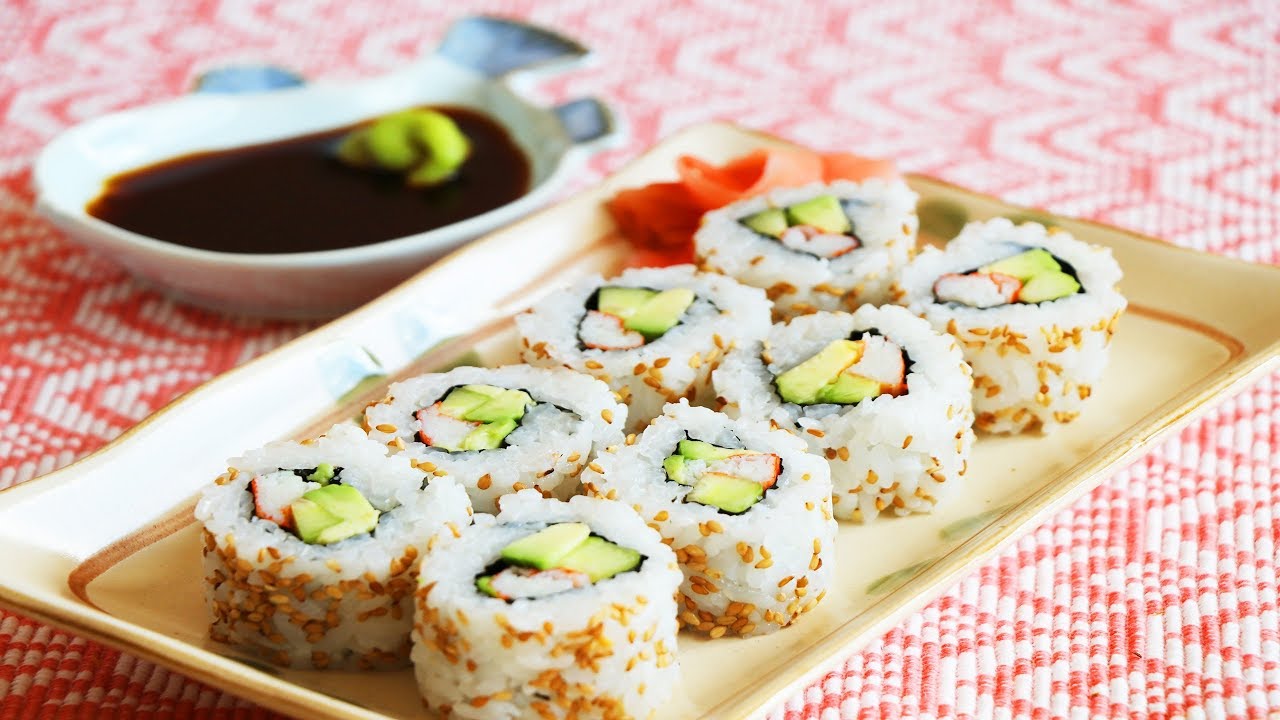
Sushi (raw fish) is one of Japan’s most instantly identifiable icons. It is almost commonly connected with Japanese cuisine and is one of its most recognizable trademarks. In addition, it is one of the world’s most sophisticated and appetizing cuisines. A good reason why this dish has been a favorite of the Japanese for millennia and why it has gained widespread popularity worldwide in recent years is that the word is delicious!
After tasting Japanese sushi for the first time, you may never go back to your old ways of eating sushi ever again (such as the California roll). Aside from the fact that sushi happens to be one of the world’s healthiest foods, it’s also one of the most delicately delicious, giving it a delicacy that few other cuisines can equal in terms of flavor.
For the best sushi experience, you’ll ought to know how to eat it the right way first. After years of study, Taisha (sushi specialists) take tremendous satisfaction in their work and consider sushi-making to be practically an art form in its own right.HistoryWhen the Japanese word “sushi” was first used, it was to describe a method of preserving shellfish that had been imported from Southeast Asia in the 8th century. The procedure involved wrapping a piece of gutted fish in fermented rice and storing it in a cool place. As a consequence, the fish was kept alive for several months, but the rice was thrown away, which was unusual at the time. Afterwards, the preserved fish was served with rice, which was the staple food in Japan at the time. When this Japanese food was introduced, it was given the name “narezushi,” and it is still accessible today.
While oshizushi became well-known in Osaka, gun-shy from Lake Biwa has remained popular in Shiga for many years. In order for narezushi to evolve over time, it was necessary to take into consideration the regional characteristics of each locale.
When Anaya Yoshie devised haya-zushi, often known as “quick sushi,” the technique became known as nigiri-sushi, a name that has since become widely used to describe this type of sushi around the world. Fresh fish from Edo Bay was brought into the city and sold in the form of sushi at yautia (food stands) all over the place (present-day Tokyo). It has been speculated that this type of sushi became popular throughout Japan as a result of the 1923 Kanto Earthquake, which forced Tokyo sushi chefs to return to their hometowns in order to propagate the culture of sushi.
ASIN : B09NH15RKZ
Publication date : December 10, 2021
Language : English
File size : 5369 KB
Simultaneous device usage : Unlimited
Text-to-Speech : Enabled
Screen Reader : Supported
Enhanced typesetting : Enabled
X-Ray : Not Enabled
Word Wise : Not Enabled
Sticky notes : On Kindle Scribe
Print length : 166 pages