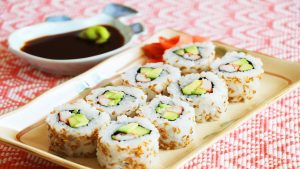
I have been asked some version of this question so many times over the past 10+ years and yet just realized that a blog post would be the perfect way for me to answer it in a proper manner. The answer is actually very simple:
THE ONLY WAY YOU WILL KNOW FOR SURE IF YOU ARE EATING “REAL” AND “FRESH” WASABI IS IF YOU SEE THE SUSHI CHEF DOING THIS:


The western palette, in comparison to the traditional Japanese one, seems to favor stronger flavors. The foods here are significantly sweeter and spicier — as well as heavier, richer and bigger — than those I often ate when I lived in Japan. (Keep in mind that I am referring simply to traditional Japanese foods and not the more modern favorites like yakisoba, okonomiyaki, and takoyaki. These foods, which I like to call “beer food,” are big on flavor, with enough sauces and spices to rival any late-night cheeseburger, burrito or chili dog). In comparison, the traditional Japanese palette can be best described as understated There is a simple elegance to traditional Japanese foods and in such a culinary environment, flavors like fresh (and real) wasabi can truly be appreciated because they can actually be tasted. In the big-flavor world of American sushi bars, customer favorites like spicy tuna, deep-fried rolls and baked dynamite with their rich, heavy and spicy sauces, would completely overpower the subtle flavor of fresh (and real) wasabi. If a soft shell crab roll, for example, is high on your list of favorites, then don’t even think about using, wanting, or needing real (and fresh) wasabi. It just wouldn’t make sense because the more subtle taste of fresh (and real) wasabi cannot compete with all the flavors going on in that dish.
Wasabi has a subtle flavor? Yes, it does. This is especially true when compared to what you have probably been eating ever since you picked up your first piece of nigiri. Real (and fresh) wasabi can best be described as having a “bite” compared to the more commonly experienced wasabi “burn.” At times the flavor can seem so subtle that I like to describe it as a “decorative condiment” because actually seeing it is a big factor in being able to taste it. In fact, it is very likely that if you don’t see it, you may not be able to taste it.

So in what types of dishes would I most likely serve real (and fresh) wasabi? Well, it would be very appropriately served on top of pieces of tuna, halibut or snapper sashimi. These mild-flavored fish won’t override the delicate, yet biting flavor of the real (and fresh) wasabi and thus allow you to appreciate and enjoy such a unique and rare treat. And yes, having the opportunity to actually eat real (and fresh) wasabi is a special treat WHEN it is served in an appropriate manner with the appropriate foods. Another common way it is served is with cold buckwheat noodles (soba) with dipping sauce… one of my favorites.
SO IF YOU HAVEN’T BEEN EATIN REAL (AND FRESH) WASABI, THEN WHAT EXACTLY HAVE YOU BEEN EATING?
• Powdered wasabi (not real wasabi, not fresh wasabi, usually powdered horseradish)
In most cases you have been eating a combination of powdered horseradish that was mixed into a paste with water. This is the stuff that gives you the nose burn.
I have been to establishments where they use frozen wasabi paste, mix it with wasabi powder and call it, of course, real wasabi. This, too, will have some burn to it.
ANOTHER VERY BIG REASON THAT YOU AREN’T EATING REAL (AND FRESH) WASABI IN YOUR LOCAL SUSHI BARS: PRICE.

Now beside the reason I have given you as to why you don’t really need to be eating real (and fresh) wasabi in your local (whether it be in the US, Canada, Italy, Australia, etc.) sushi bar, one of the main reasons you aren’t eating it is because of the price. Wasabi is expensive. In Japan, just one wasabi root (known as a rhizome) goes for about $10 – $15. When you add on import taxes, transportation costs, storage, wholesaler markups, retailer markups, etc you are then looking at about $50 – $80 per pound. The reason it is so expensive is because it is so difficult to grow. Grown along river beds in mild climates, wasabi takes a year and a half to grow to a 6-inch root that is ready to be harvested.
IF A SUSHI BAR DOES NOT SERVE REAL (AND FRESH) WASABI, DOES THAT MEAN IT IS NOT A GOOD SUSHI BAR?
Absolutely not. In fact, a sushi bar may indeed serve real (and fresh) wasabi but only with the appropriate dishes. In other words, they may serve it but not with the things that you have been ordering. This goes for sushi bars not only in western countries but in Japan as well.
SO THAT’S ABOUT IT. .. TO REVIEW:
• Real (and fresh) is only grated immediately before it is used.
• Real (and fresh) wasabi does not burn.
• You can have great sushi and not have it served with real (and fresh) wasabi.
• If you love the “wasabi burn,” then don’t even think about asking for the “real’ stuff.
(c) SUSHI GIRL ® – Read entire story here.