Price: $9.99
(as of Nov 17, 2024 11:15:12 UTC – Details)

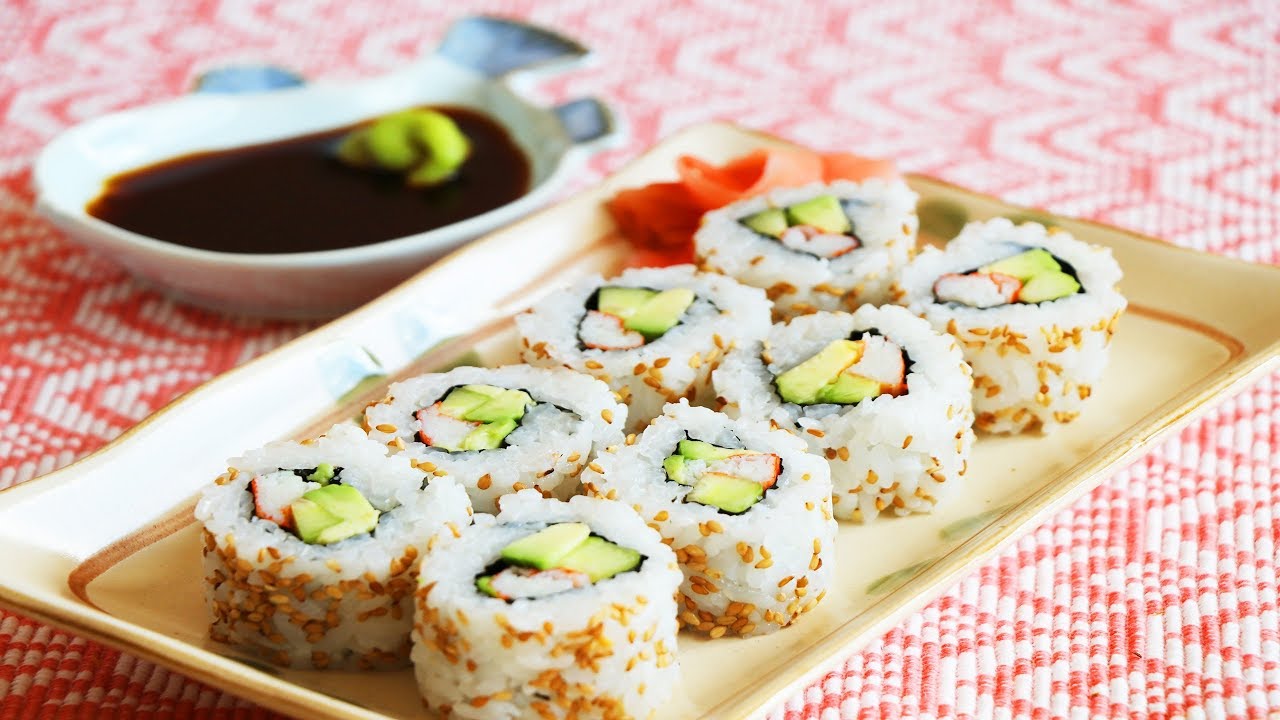
Considering that this cooking puts a huge emphasis on fish, veggie-loving Japanese food might seem incomprehensible to numerous people. However, Japanese cuisine is full of vegan dishes of all kinds. In this piece, I’ll familiarize you with some splendid veggie sweetheart recipes that you won’t find in another cookbook.
In Japanese cuisine, rice, noodles, vegetables, seaweed, soy products, and mushrooms are frequently used. However, due to its numerous large islands in the Pacific, Japan’s cuisine relies heavily on seafood.
As a result of these inconsistent qualities, Japanese cooking is one of the most plant-based and least vegetarian of all foods. In fact, because it is so difficult, you probably shouldn’t even try to order a vegan meal at a typical Japanese restaurant. On many occasions, the food is disappointingly close to being totally veggie-friendly yet at the same time misses the mark.
Fish is easy enough to avoid, but flavors based on fish are not. In Japanese cooking, dashi, a flavoring made for the most part of fish drops, can be found all over the place. It is used in dressings, soups, sushi rice, dipping sauces, and other savory dishes. Dashi imparts a distinct umami flavor. Despite the fact that pork is not a typical part of the Japanese diet, the country’s proximity to China has made it more popular. It’s a common ingredient in gyoza dumplings at most Japanese establishments. Additionally, Japanese vegetable dishes frequently incorporate a small amount of pork seasoning. Numerous Japanese culinary experts regularly season every one of their dishes with pork or fish.
ASIN : B0CJ3C9X51
Publication date : September 13, 2023
Language : English
File size : 4132 KB
Simultaneous device usage : Unlimited
Text-to-Speech : Enabled
Screen Reader : Supported
Enhanced typesetting : Enabled
X-Ray : Not Enabled
Word Wise : Not Enabled
Print length : 167 pages
Page numbers source ISBN : B0CJBP13ZW